Hunting Gear
Choosing an All-Around Shotgun | Pure Hunting

Browning Maxus Shotgun Review
An all-around shotgun is a must-have item for outdoorsmen and women. From waterfowl hunting to upland game or turkey hunting to small game pursuits, a dependable shotgun that is both accurate and functional is a critical piece of hunting gear. Choosing the right shotgun for your fall and winter hunts takes consideration and diligence and affects your success in the field. Ultimately, it also instills confidence in your shotgun’s dependability and in yourself.

The Browning® Maxus is a feature-rich shotgun built with state of the art materials on a proven action, and it is designed to be on target when a shot presents itself during your hunt. Browning shotguns bring with them the assurance of legendary tradition established by John Moses Browning a century and a half ago. Today’s Browning shotguns have been built on this keystone of tradition and inventiveness to produce firearms that are both elegant and practical. The Browning Maxus shotgun line offers maximum reliability and performance in real-world applications, rich in both innovation and key features.
Browning Maxus Shotgun Features
Comfort and Accuracy
The Maxus shotgun delivers 18% less felt recoil to the shooter for greater comfort, and 44% less muzzle jump for noticeably more accurate follow-up shots. Typical bolt speed is 19% faster with a 24% faster locking time than the nearest competitor, providing confidence and reliability in the field, shot after shot.
Speed Lock Forearm
Browning innovation has replaced the traditional screw-on magazine cap with the patented Speed Lock Forearm. This rock solid attachment system makes taking down your Browning Maxus for cleaning and storage simple, fast, and trouble free. Quickly and easily access your magazine plug in the field without the worry of losing the magazine cap or knurled spring.
The Browning Speed Lock Forearm doubles as a secure attach and detach point for your shotgun sling that is quick and easy to use. Secure your shotgun’s sling before wading to the duck blind or goose pit and easily remove it during the hunt without worry.
Speed Load Plus
Browning’s patent pending feeding system sends the first shell loaded into the magazine directly into the chamber. The Speed Load Plus unloads just as easy, without repetitive chamber action, ejecting shells one at a time. An essential feature for avid waterfowlers, you can reload directly to the chamber after firing that last round from the magazine when birds are in the decoys.
Magazine Cut-Off Switch
A legacy design found on the original Browning Automatic 5 autoloader shotgun over a century ago is the magazine cut-off switch. A true Browning feature, the cut-off switch has set the Browning autoloaders apart from the competition for generations of shotguns and shooters.
The exclusive magazine cut-off allows you to eject the shell from the chamber while retaining shells in the magazine (i.e., without auto cycling). The magazine cut-off is a key feature when you are transitioning from duck to goose loads or quail to pheasant shells in the field quickly, or just for safely removing the chambered round without the risk of a reload.
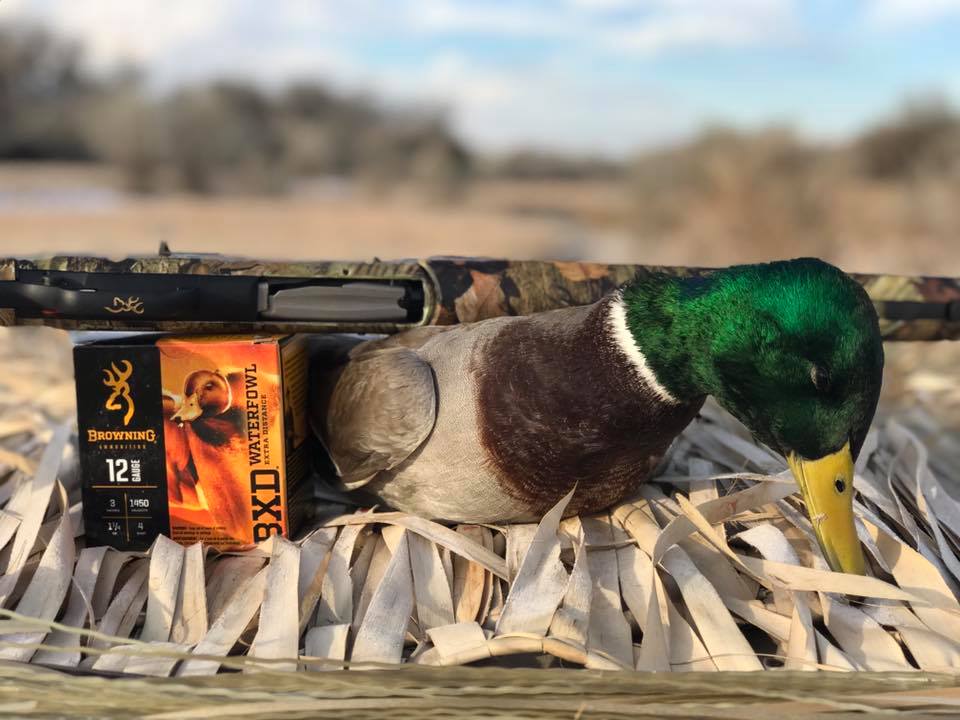
A quality shotgun is a must for every hunter, especially if you want to enjoy extended seasons in the field. Spring turkeys, migratory doves, upland birds, multiple species of geese and ducks, and small game species (e.g., squirrels and rabbits) are all fair game when hunting with a shotgun. Consider adding the dependable and feature-rich Browning Maxus shotgun to your hunt next season.
Source link: https://www.purehunting.com/best-hunting-shotgun-browning-maxus-shotgun-review/ by Pure Hunting at www.purehunting.com

Hunting
Capturing the Hunt: Using Trail Cameras for Turkey Hunts

In the excitement of a successful hunt, it’s easy to forget to capture the moment with a photo. This can be a missed opportunity, especially for someone who always carries camera gear on hunts. But there’s a simple and effective way to ensure you get those memorable shots: using trail cameras.
The Role of Trail Cameras

Trail cameras have become essential tools for many hunters, not just for scouting but also for capturing the action during the hunt. Setting up a trail camera can provide you with extra memories and a unique perspective on your hunt. If you already own a camera, it’s a cost-effective way to enhance your hunting experience.
Choosing and Setting Up Your Camera

Whether you’re using traditional cameras or cell cameras, most can be set up to function like a traditional trail camera. This means you don’t need to activate your data plan if you’re using cell cameras. The key is in selecting the right settings.
Camera Settings
- Video Duration: Opt for the longest video clip your camera offers. This ensures that even if a hen arrives before the longbeard, you’ll still capture the entire sequence.
- Recovery Time: Set this to the shortest possible duration. You want the camera ready to record a new clip immediately.
- Resolution: Choose the highest video quality available. This will provide the best footage, assuming you use a large-capacity SD card.
- Trigger Sensitivity: Adjust based on your environment. In a windy field, use the lowest sensitivity to avoid endless clips of moving vegetation. On calm days or in confined spaces, increase the sensitivity to ensure the camera captures all movement.
Positioning Your Camera

One common mistake is placing cameras too close to the decoys. Turkeys tend to focus on the jake decoy, so your camera placement should account for this. Positioning the camera 10 to 20 feet away from the decoys is often ideal. This distance allows you to capture the entire bird as it approaches, rather than just its feet.
Consider the Approach Path
- Anticipate Entry Points: Aim your camera in the direction you expect the turkeys to approach from. This ensures a better overall shot.
- Mind the Sun: Position the camera to avoid sun flares on the lens, which can disrupt your footage.
- Camouflage: While turkeys don’t seem to mind trail cameras, it’s wise to reduce the chances of reflection or glare. Pile up some debris around the camera to help it blend in with the environment.
Benefits of Trail Camera Footage

Using a trail camera is a straightforward way to capture high-resolution video of your hunt without investing in additional gear. This method allows you to focus on the hunt itself while the camera takes care of recording the action.
Practical Tips for Use
- Quick Setup: Setting up a trail camera is quick and easy. Even when running and gunning and changing spots frequently, it takes only seconds to set up the camera from your pack.
- Capture Every Moment: The effort pays off when you get high-quality footage of a strutter attacking your decoys. These videos provide lasting memories and a unique view of the hunt.
Incorporating trail cameras into your turkey hunts can enhance your experience and provide invaluable memories. By choosing the right settings, positioning the camera thoughtfully, and blending it into the environment, you can capture the excitement of the hunt without missing a beat. This approach not only adds an extra layer of enjoyment to your hunting trips but also ensures you have a visual record of those special moments.
Do you have any tips for trail cameras? Leave your thoughts in the comments below.
Archery
Can You Hunt Enough To Feed Your Family For YEARS?

As masters of the hunt, you understand the thrill and satisfaction of providing for your family through your skills in the wilderness. However, relying solely on hunting and trapping may not be enough to ensure your family’s well-being in times of crisis. The stark reality is that whatever you’re able to hunt may not be sufficient to feed yourselves and your loved ones. At Survival Cave Food, we recognize the importance of having a reliable backup supply to augment your hunting efforts and provide peace of mind during emergencies.


Hunting
Rangefinders: Advanced Techniques for Enhanced Hunting Success

The utility of rangefinders in hunting extends far beyond their fundamental purpose of determining accurate distances for shooting. While commonly associated with aiding marksmanship, rangefinders can be leveraged in innovative ways to optimize hunting strategies and increase efficiency in the field. For both novice and seasoned hunters alike, mastering advanced techniques with rangefinders can significantly enhance the overall hunting experience. In this comprehensive guide, we delve into two distinct but invaluable techniques for utilizing rangefinders to their fullest potential.
Strategic Stalking: Planning with Precision

One of the most profound realizations among hunters is the strategic value of rangefinders in planning stalks. Beyond mere navigation toward the prey, identifying optimal shooting positions can be a game-changer in hunting success.
Consider a scenario where a hunter spots a deer bedded downhill, with a prominent boulder positioned behind it. Traditional wisdom dictates estimating the distance to the deer and planning a route accordingly. However, the innovative use of a rangefinder elevates this approach to a new level of precision.
By ranging both the deer and the boulder, the hunter gains critical insight into the landscape’s geometry. Suppose the deer is determined to be 500 yards away, while the boulder registers at 547 yards. This data reveals that reaching the boulder would position the hunter approximately 47 yards from the deer. Armed with this knowledge, the hunter can strategize the approach, confident in the understanding of potential shooting distances.
Dynamic Distance Assessment: On-the-Move Tactics

In dynamic hunting scenarios where targets are mobile or their exact locations are uncertain, rangefinders emerge as indispensable tools for real-time distance assessment. Rather than relying on fixed objects for reference, hunters can adopt a proactive approach by utilizing rangefinders while on the move.
Imagine stalking a buck actively rutting in dense woodland. In such scenarios, maintaining situational awareness and adaptability are paramount. Here, the continuous use of a rangefinder proves invaluable.
Equipped with a rangefinder, the hunter can seamlessly integrate distance assessment into their movements. With each step, the hunter periodically scans the terrain ahead, utilizing the rangefinder to gauge distances to potential targets. This streamlined approach minimizes unnecessary movement and ensures readiness for decisive action.
In the dynamic and unpredictable world of hunting, mastery of advanced techniques with rangefinders can be a game-changer. By embracing strategic stalking and dynamic distance assessment, hunters can optimize their hunting strategies and increase their chances of success in the field.
Whether planning meticulous stalks or maintaining situational awareness on the move, the versatility of rangefinders empowers hunters to navigate diverse hunting scenarios with confidence and precision. As hunters continue to explore the boundless possibilities of rangefinder application, the pursuit of the game becomes not just a challenge, but a deeply rewarding adventure fueled by innovation and expertise.
Do you have any tips for using rangefinders? Leave them in the comments below.